

Skip to content
OncoAlert home
  • Newsletter
  • News
  • Congresses
  • Tumor sites
  • Colloquium
  • Series
  • About
Subscribe
MenuClose
  • Newsletter
  • News
  • Congresses
    • On demandESMO 2026 highlights
    • 4Sight
    • On The Go
    • Podium2Screen
    • Congress tracker
    • Past coverage
  • Tumor sites
    • Breast
    • Lung and thoracic
    • Genitourinary
    • Gastrointestinal
    • More tumor sites

      • Gynecologic
      • Hematologic
      • Melanoma and skin
      • Head and neck
      • Sarcoma
    • Across disciplines

      • Radiation oncology
      • Supportive care
      • Geriatric oncology
  • Colloquium
    • Register for 2027
    • The 2027 program
    • The 2026 Colloquium
    • Watch the talks
    • Every Colloquium
    • The 2026 program

      • Genitourinary
      • Breast
      • Gastrointestinal
      • Gynecologic
      • Lung and supportive care
      • Melanoma, hematology and more
      • How I treat when options are limited
  • Series
    • OncoAlert Horizons
    • LIVE from Lugano
    • Oncology Here & Now
    • Listen to Oncology Here & Now

      • Apple Podcasts
      • Spotify
      • Amazon Music
      • YouTube
  • About
    • About OncoAlert
    • Faculty
    • Contact
ESMO 2026On demandMadrid, October 23–27See the ESMO 2026 highlightsSubscribe to the newsletter
  • On demandESMO 2026 highlights
  • 4Sight
  • On The Go
  • Podium2Screen
  • Congress tracker
  • Past coverage
ESMO 2026On demandMadrid, October 23–27See the ESMO 2026 highlights
  • Breast
  • Lung and thoracic
  • Genitourinary
  • Gastrointestinal

More tumor sites

  • Gynecologic
  • Hematologic
  • Melanoma and skin
  • Head and neck
  • Sarcoma

Across disciplines

  • Radiation oncology
  • Supportive care
  • Geriatric oncology
Durvalumab (Imfinzi) + enfortumab vedotin-ejfv approved by the US FDA for muscle-invasive bladder cancer (MIBC)Durvalumab (Imfinzi) + enfortumab vedotin-ejfv approved by the US FDA for muscle-invasive bladder cancer (MIBC)Latest highlight
  • Register for 2027
  • The 2027 program
  • The 2026 Colloquium
  • Watch the talks
  • Every Colloquium

The 2026 program

  • Genitourinary
  • Breast
  • Gastrointestinal
  • Gynecologic
  • Lung and supportive care
  • Melanoma, hematology and more
  • How I treat when options are limited
The OncoAlert Colloquium emblemThe OncoAlert Colloquium 2027February 1–7, 2027. Free for oncology professionals; registration is open.
  • OncoAlert Horizons
  • LIVE from Lugano
  • Oncology Here & Now

Listen to Oncology Here & Now

  • Apple Podcasts
  • Spotify
  • Amazon Music
  • YouTube
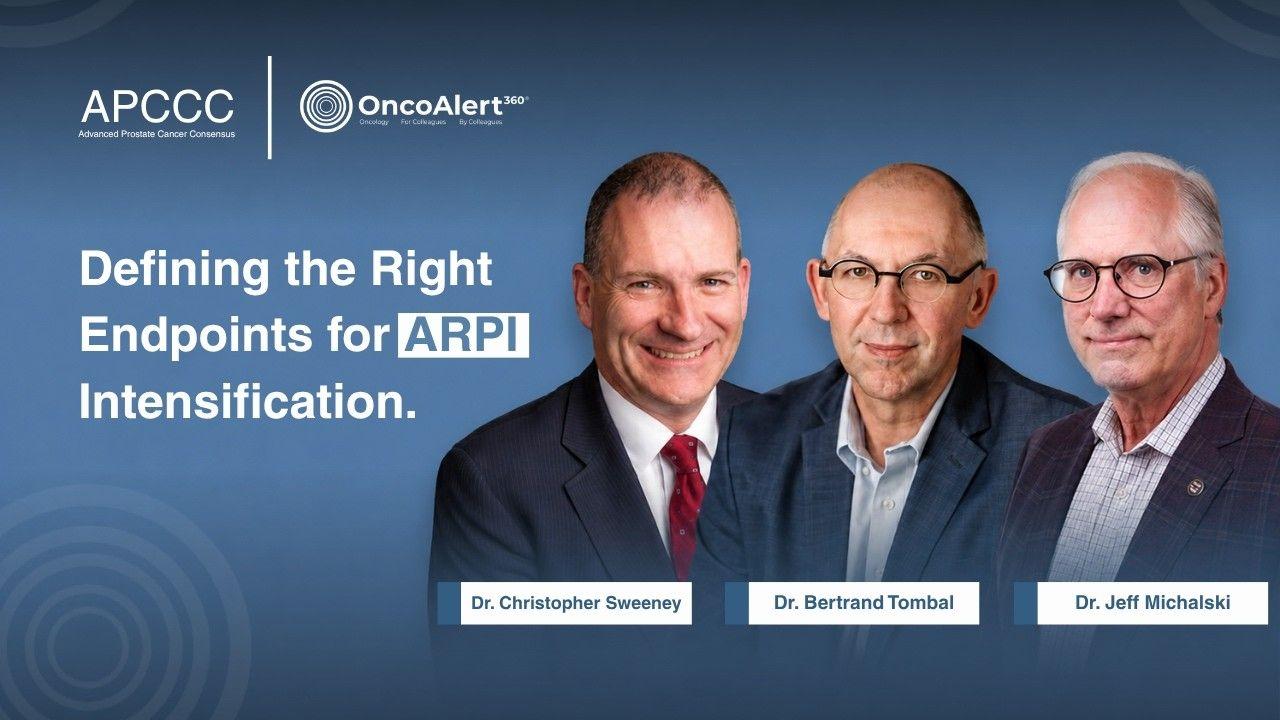
The newest LIVE from Lugano discussionDefining the right endpoints for ARPI intensification, with Dr. Bertrand Tombal, Dr. Christopher Sweeney and Dr. Jeff Michalski.
  • About OncoAlert
  • Faculty
  • Contact

Is pMMR colon cancer still immune-cold?

The OncoAlert Newsletter, November 5, 2026. The week from November 1.

SpotlightBreastLungGUGIRadiation & GynMeetingsOncoAlert Horizons and COR2ED
Newsletter banner

Spotlight publication

Neoadjuvant botensilimab with or without balstilimab in pMMR and dMMR colon cancer: the phase 2 UNICORN trial

Ghelardi F … Pietrantonio F. Nature Medicine.

Take-home. Preoperative botensilimab plus balstilimab demonstrates promising activity in both pMMR and dMMR colon cancer, potentially expanding immunotherapy benefits to patients previously considered resistant to checkpoint inhibition.

The phase 2 UNICORN trial investigated preoperative botensilimab (BOT), alone or combined with balstilimab (BAL), in 56 patients with locally advanced colon cancer. The combination achieved major pathological responses in both pMMR (36%) and dMMR (100%) tumors, whereas BOT alone showed limited activity in pMMR disease. Immune-related adverse events occurred, while ctDNA clearance correlated with pathological response and absence of recurrence.


Read the paper: Neoadjuvant botensilimab with or without balstilimab in pMMR and dMMR colon cancer: the phase 2 UNICORN trial (opens a new tab)

Newsletter banner

OncoAlert top articles

Breast cancers

Prospective circulating tumour DNA surveillance in patients with early high-risk hormone receptor positive, HER2-negative breast cancer in the TRAK-ER study

Cunningham N … Turner NC. Annals of Oncology.

Take-home. ctDNA surveillance using ultrasensitive assays offers an opportunity to identify molecular relapse before radiological recurrence, potentially enabling earlier therapeutic intervention.

This prospective study evaluated circulating tumor DNA (ctDNA) surveillance in high-risk, ER-positive, HER2-negative early breast cancer during adjuvant endocrine therapy. Among 912 patients, 12% developed detectable ctDNA, with subsequent detection frequently preceding radiological recurrence (73.4%). Detection was associated with greater nodal burden and tumor grade. Findings highlight the importance of ultrasensitive assays for identifying molecular relapse before clinical recurrence.

Read the paper: Prospective circulating tumour DNA surveillance in patients with early high-risk hormone receptor positive, HER2-negative breast cancer in the TRAK-ER study (opens a new tab)

From TAILORx to OPTIMA: Evolving Evidence for Genomically Guided Chemotherapy in Hormone Receptor–Positive Human Epidermal Growth Factor Receptor 2–Negative Breast Cancer

Abdou Y … Carey L. JCO.

Take-home. Genomic assays have revolutionized chemotherapy decision-making, but future precision oncology must integrate tumor biology, menopausal status and equitable prospective evidence to optimize individualized treatment.

Genomic assays have transformed adjuvant chemotherapy decision-making in HR-positive/HER2-negative early breast cancer, enabling many patients to safely avoid chemotherapy. Evidence from MINDACT, TAILORx, RxPONDER and OPTIMA supports increasingly personalized treatment strategies. However, uncertainty remains regarding chemotherapy benefit in premenopausal women, particularly the contribution of ovarian suppression. Further research must address younger and underrepresented populations, validate longer-term outcomes and integrate genomic assays with emerging biomarkers and modern therapies.

Read the paper: From TAILORx to OPTIMA: Evolving Evidence for Genomically Guided Chemotherapy in Hormone Receptor–Positive Human Epidermal Growth Factor Receptor 2–Negative Breast Cancer (opens a new tab)

Lung cancers

Perioperative ivonescimab with or without chemotherapy in resectable non-small cell lung cancer: a phase 2 trial

Zhao X … Wang C. Nature Medicine.

Take-home. Perioperative ivonescimab, particularly combined with chemotherapy, demonstrates promising pathological response rates and an encouraging safety profile in resectable NSCLC, warranting further investigation.

This phase 2 trial evaluated perioperative ivonescimab, alone or combined with chemotherapy, in resectable NSCLC. Major pathological response rates were 60.0% with monotherapy and 70.1% with combination therapy, meeting the primary endpoint in the combination cohort. Most responders had minimal residual viable tumor. Grade 3 or higher treatment-related adverse events occurred in approximately 30–36% of patients, with no treatment-related deaths or major surgical complications reported.

Read the paper: Perioperative ivonescimab with or without chemotherapy in resectable non-small cell lung cancer: a phase 2 trial (opens a new tab)

Review of patient-reported outcomes in EMPOWER-Lung 1 in patients with advanced non-small cell lung cancer treated with cemiplimab versus chemotherapy

Gandara D … Quek R. Cancer.

Take-home. First-line cemiplimab improves and maintains quality of life compared with chemotherapy across multiple subgroups of patients with advanced, PD-L1-high NSCLC.

The EMPOWER-Lung 1 trial evaluated patient-reported outcomes with first-line cemiplimab versus chemotherapy in advanced NSCLC with PD-L1 expression ≥50%. Cemiplimab significantly improved global health status and quality of life (GHS/QoL) in the overall population and multiple subgroups, including patients with brain metastases, different histologies and older patients. It also significantly delayed QoL deterioration in selected subgroups, supporting its broader patient-centered clinical benefit.

Read the paper: Review of patient-reported outcomes in EMPOWER-Lung 1 in patients with advanced non-small cell lung cancer treated with cemiplimab versus chemotherapy (opens a new tab)

GU cancers

ENZARAD (ANZUP 1303): Phase 3 Trial of Enzalutamide With Androgen Deprivation Therapy and Radiation Therapy in High-Risk Localized or Locally Advanced Prostate Cancer

Williams S … Nguyen P. JCO.

Take-home. Adding enzalutamide to conventional ADT and radiotherapy does not significantly improve metastasis-free survival overall, although patients receiving pelvic nodal irradiation may derive additional benefit.

The phase 3 ENZARAD trial evaluated whether adding enzalutamide to ADT and definitive radiotherapy improves outcomes in 802 patients with high-risk localized or locally advanced prostate cancer. After 92 months’ median follow-up, eight-year metastasis-free survival was 74% versus 72%, showing no significant benefit. However, a subgroup receiving pelvic nodal radiotherapy demonstrated improved metastasis-free survival. Grade 3–5 adverse events were comparable between treatment arms.

Read the paper: ENZARAD (ANZUP 1303): Phase 3 Trial of Enzalutamide With Androgen Deprivation Therapy and Radiation Therapy in High-Risk Localized or Locally Advanced Prostate Cancer (opens a new tab)

Survival in patients with renal cell carcinoma and brain metastases: an update of the Renal Graded Prognostic Assessment

Sperduto P … Mehta M. The Lancet Oncology.

Take-home. The updated Renal GPA provides a valuable tool for individualizing prognosis, guiding treatment decisions and stratifying clinical trials in patients with renal cell carcinoma brain metastases.

This international retrospective study evaluated 1,049 patients with renal cell carcinoma brain metastases, demonstrating improved median overall survival of 20 months compared with historical cohorts. Key adverse prognostic factors included poor performance status, low serum albumin, multiple brain metastases and extracranial disease. An updated Renal GPA stratified patients into distinct survival groups, with median survival ranging from 4.8 to 51.2 months.

Read the paper: Survival in patients with renal cell carcinoma and brain metastases: an update of the Renal Graded Prognostic Assessment (opens a new tab)

GI cancers

The genomic and epigenomic evolution of colorectal cancer

Sng C … Sottoriva A. Nature Reviews Gastroenterology & Hepatology.

Take-home. Understanding CRC evolution, intratumoral heterogeneity and tumor plasticity is essential to developing personalized strategies that anticipate metastasis, overcome treatment resistance and improve therapeutic outcomes.

This review explores the molecular evolution of colorectal cancer (CRC), from initial transformation to metastasis and treatment resistance. It highlights early driver mutations, subsequent genetic heterogeneity, epigenetic alterations and tumor plasticity. Metastatic spread involves evolutionary selection, while resistance arises through genetic and non-genetic mechanisms. Immune selection also influences disease progression and immunotherapy response. Emerging strategies include liquid biopsy monitoring, molecular hyperselection and adaptive treatment approaches.

Read the paper: The genomic and epigenomic evolution of colorectal cancer (opens a new tab)

Radiation oncology and gyn cancers

AI-Assisted Segmentation and Planning for Accelerated Partial Breast Irradiation: A Single-Institution Feasibility Study

Baron J … McBeth R. Advances in Radiation Oncology.

Take-home. AI-assisted automated APBI planning can produce clinically acceptable radiotherapy plans while dramatically reducing planning time, potentially improving efficiency and accessibility of breast radiotherapy.

This study evaluated an AI-assisted automated workflow for five-fraction accelerated partial breast irradiation (APBI). AI-generated target segmentation demonstrated strong agreement with physician contours, while automated VMAT planning achieved comparable target coverage and improved organ-at-risk sparing. Six of seven end-to-end plans met institutional dosimetric constraints. Importantly, automation reduced planning time from an average of nine days to under one hour, demonstrating substantial potential for clinical workflow efficiency.

Read the paper: AI-Assisted Segmentation and Planning for Accelerated Partial Breast Irradiation: A Single-Institution Feasibility Study (opens a new tab)

Hormone replacement therapy in gynecologic cancer survivors: bridging the gap between evidence and clinical practice

Gil Ibañez B … Ramirez P. IJGC.

Take-home. Menopause management should be an integral part of gynecological cancer survivorship, with appropriately selected HRT offering important quality-of-life and long-term health benefits without compromising oncological safety.

This review provides practical guidance on hormone replacement therapy (HRT) for gynecological cancer survivors experiencing treatment-induced or exacerbated menopause. It addresses cancer-specific safety, patient selection, timing, formulation, duration and monitoring. Transdermal estrogen is preferred, with combined therapy required for women with an intact uterus. Potential interactions with PARP inhibitors, bevacizumab and immune checkpoint inhibitors are also discussed, emphasizing individualized prescribing and long-term survivorship care.

Read the paper: Hormone replacement therapy in gynecologic cancer survivors: bridging the gap between evidence and clinical practice (opens a new tab)

Newsletter banner

Upcoming meetings

  • The Uromigos

    November 2026. Nashville, TN.

    Days of GU discussions with The Uromigos (Brian Rini and Tom Powles) in the Music City.

    Meeting details: The Uromigos (opens a new tab)

  • 44th Annual Chemotherapy Foundation Symposium (CFS): Innovative Cancer Therapy for Tomorrow

    November 11–13, 2026. New York, NY, or online.

    Three days on practice-changing developments across solid tumors and hematologic malignancies, including targeted therapies, immunotherapies, novel biomarkers and combination strategies. Hybrid; free registration with the code ONCOALERT.

    Meeting details: 44th Annual Chemotherapy Foundation Symposium (CFS): Innovative Cancer Therapy for Tomorrow (opens a new tab)

  • 2026 IKCS: North America

    November 19–21, 2026. Dallas, TX.

    A multidisciplinary meeting on the future of kidney cancer care.

    Meeting details: 2026 IKCS: North America (opens a new tab)

  • 2026 Global Forum in GU Oncology

    December 2–5, 2026. Amsterdam, Netherlands.

    The Mirrors of Medicine forum on translating the latest advances in oncology into clinical practice.

    Meeting details: 2026 Global Forum in GU Oncology (opens a new tab)

From OncoAlert Horizons and COR2ED

  • PI3K pathway in breast cancer with Drs. Pistilli and Saura

    Dr. Barbara Pistilli (Gustave Roussy) and Dr. Cristina Saura (Vall d’Hebron) discuss PIK3CA testing, unequal drug access across Europe, the SERD-or-PI3K choice in co-mutated disease, and what’s next after VIKTORIA-1.

    Toxicity and quality of life now matter as much as mutation status.

    Made possible thanks to an educational grant by Roche.

    Watch on OncoAlert Horizons: PI3K pathway in breast cancer with Drs. Pistilli and Saura (opens a new tab)

  • Expert insights on ROS1-positive non-small cell lung cancer

    Thoracic medical oncologist Dr. Maurice Pérol explains the importance of testing for a ROS1 fusion in NSCLC, and how these rearrangements can inform treatment selection and enable targeted therapy, with the potential to improve patient outcomes. Watch his video and download the slides on the COR2ED website.

    This Activity has been sponsored by Eisai Pharma AG (“Eisai”). Eisai has had no input on the educational content of, or speakers involved in this content. Intended for HCPs only.

    Watch on COR2ED: Expert insights on ROS1-positive non-small cell lung cancer (opens a new tab)

Thank you for your support, and please feel free to forward this issue to colleagues.

Best regards,

Signed by

  • Dr. Gil MorganFounder and Executive Director, The OncoAlert Network
Earlier issueTHE COMPLETE ESMO26 NEWSLETTER : Every key trial from Madrid, curated by oncologistsEvery issue

The week in oncology, in your inbox

The OncoAlert Newsletter goes to 10,000+ oncologists and cancer stakeholders: every week, and every day during the major congresses. Free, independent, GDPR-compliant and easy to leave.

How we use your details

OncoAlert

The OncoAlert Network is a registered non-profit NGO, founded in 2019 as a voluntary network of oncologists and patient advocates.

OncoAlertNetwork@OncoAlert360.com

Coverage

  • News
  • The newsletter
  • Congresses
  • 4Sight
  • The Colloquium
  • OncoAlert Horizons
  • Oncology Here & Now

The network

  • Faculty
  • About OncoAlert
  • How we are funded
  • Contact

Follow

  • X
  • LinkedIn
  • YouTube
  • Instagram
  • Facebook

© 2026 The OncoAlert Network

Privacy